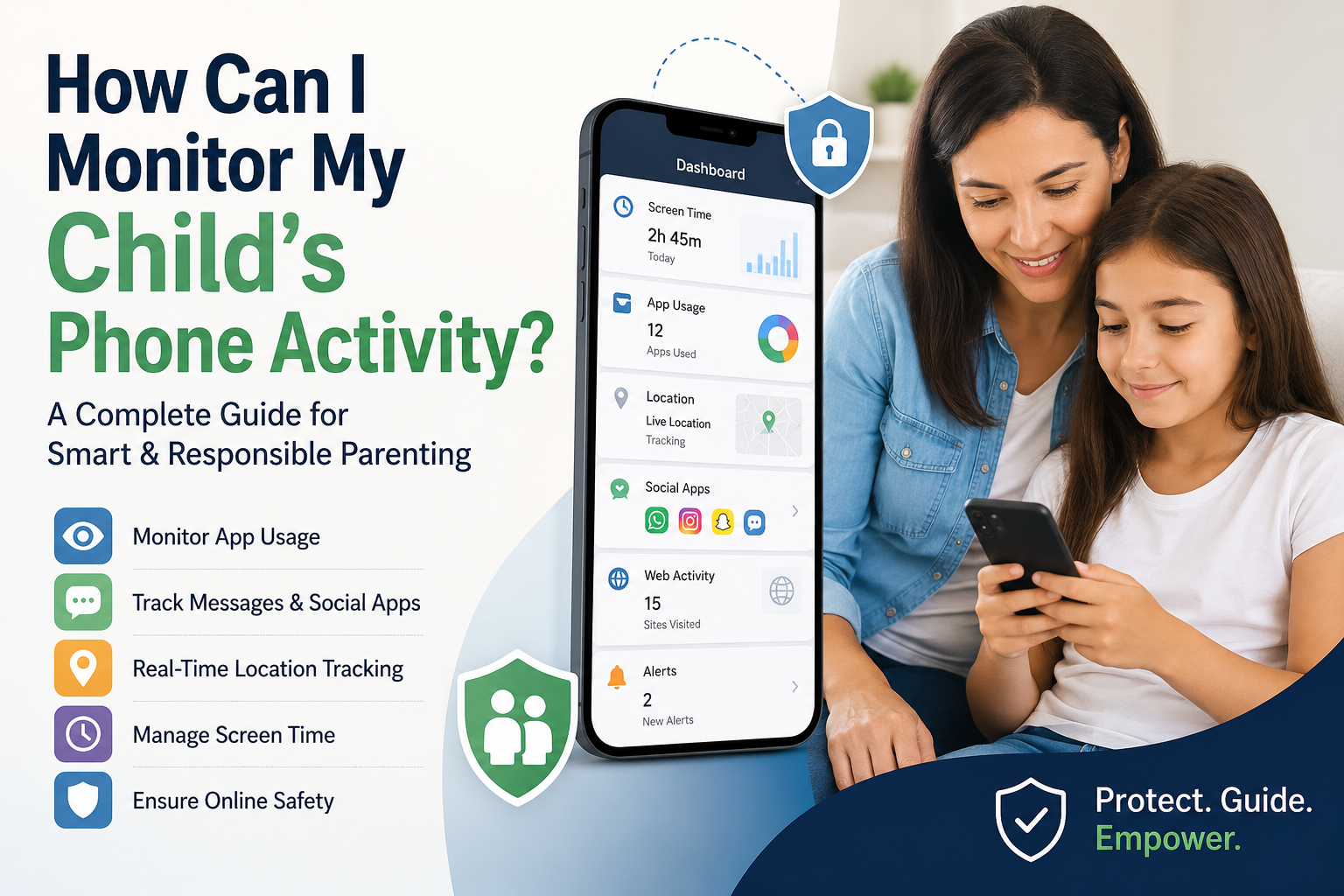
Parenting has never been more complex. Between social media pressures, online threats, and rapidly changing peer dynamics, many parents find themselves asking: “Is my child safe?”
This concern isn’t overthinking — it’s awareness. Today’s risks don’t always look obvious. They can develop quietly through online interactions, emotional struggles, or subtle behavioral shifts.
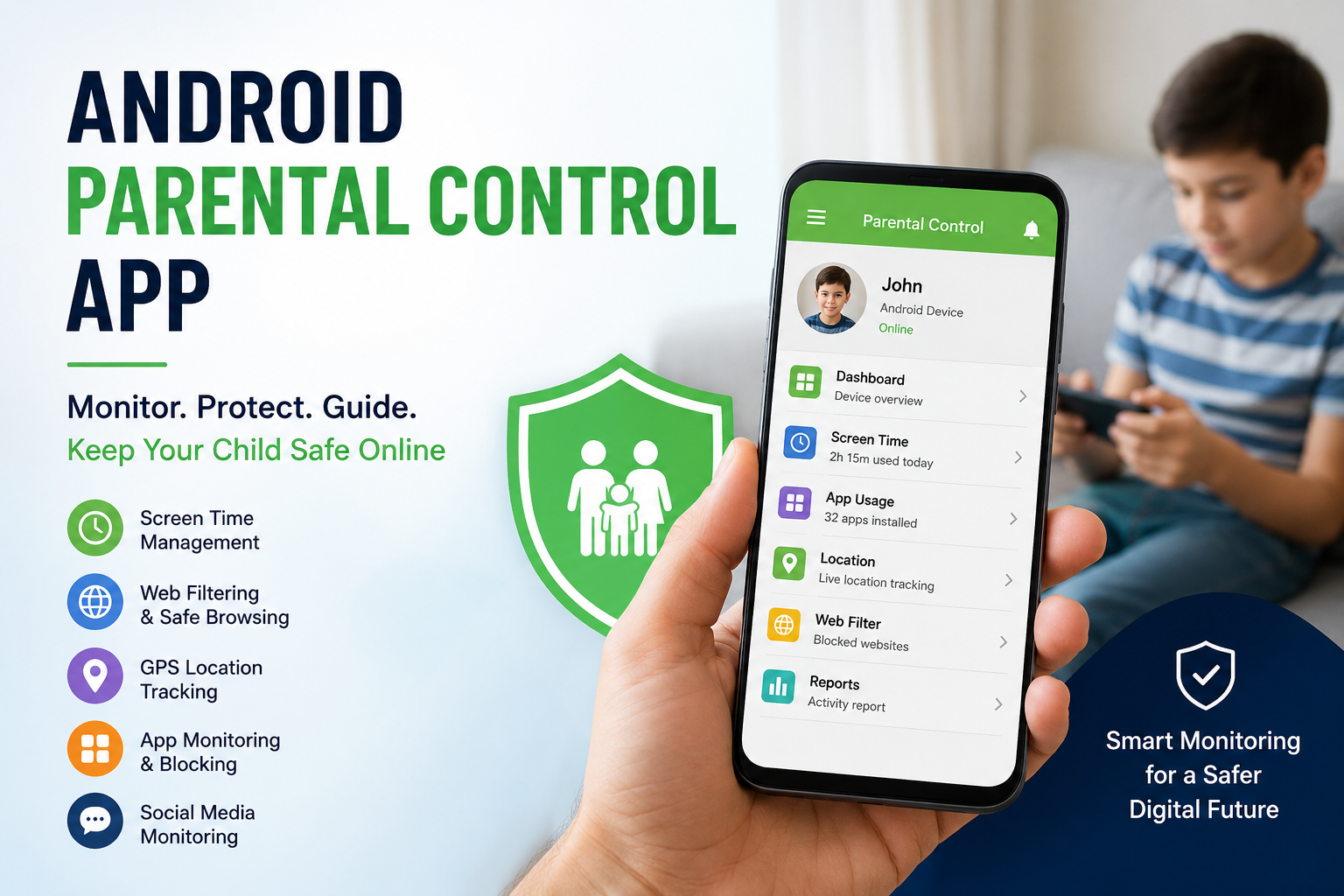
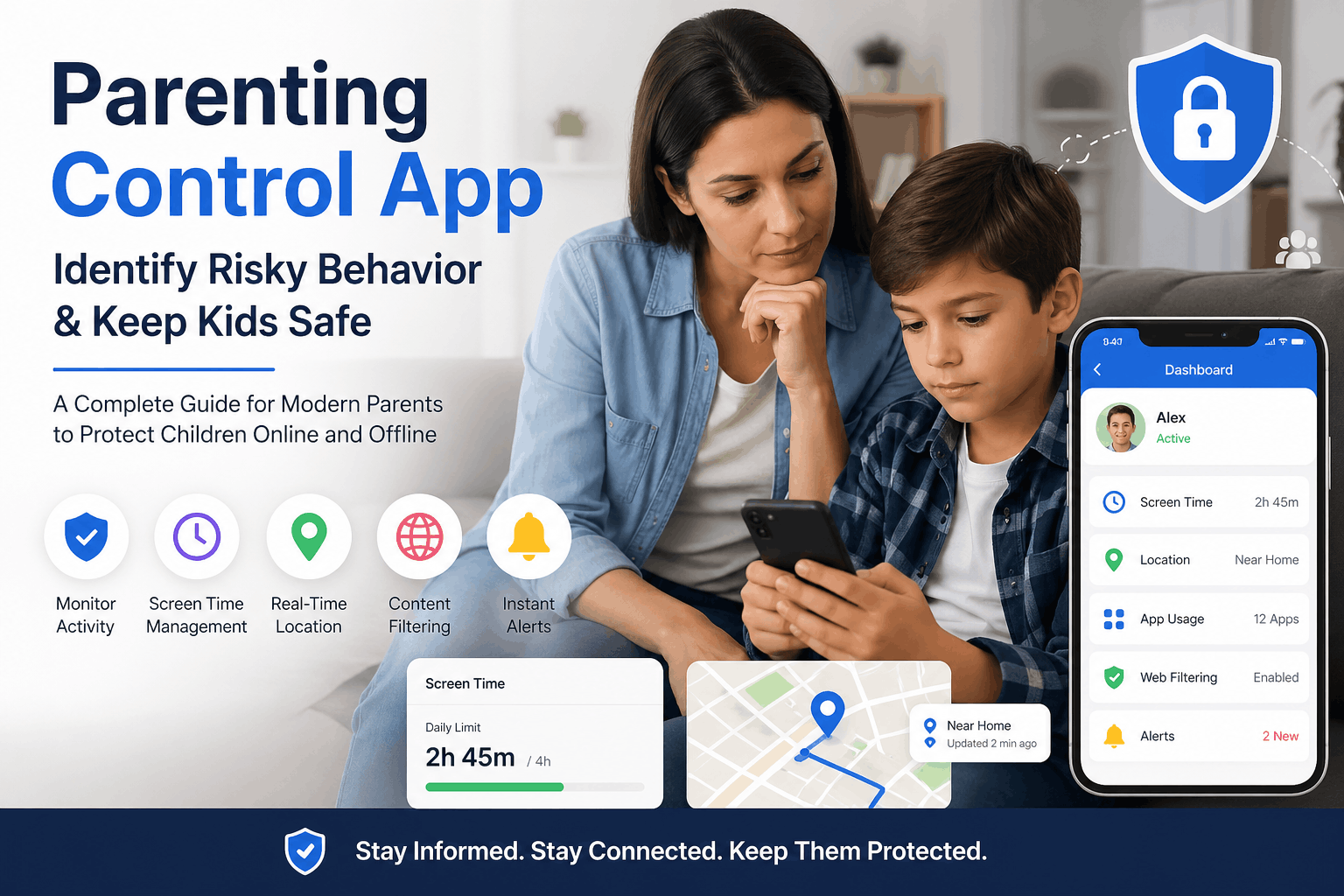
Catching early warning signs and maintaining open communication can make a significant difference. Along with that, using supportive tools like a parenting control app can help parents stay informed without being intrusive.
What Is Risky or Dangerous Behavior in Children?
Children naturally explore the world around them. They take risks, test limits, and learn through trial and error. This is a healthy part of growing up.
However, certain patterns go beyond normal curiosity. When behavior becomes repetitive, secretive, or harmful — either physically or emotionally — it may signal a deeper issue.
Risky behavior is not always dramatic or visible. Sometimes it starts with small changes that gradually build into larger concerns. Understanding this difference helps parents act early rather than react late.
Why Do Children Engage in Dangerous Activities?
1. Emotional Needs and Inner Conflict
Children don’t always have the language to express stress, anxiety, or sadness. In many cases, risky behavior becomes an outlet for emotions they don’t know how to process.
2. Desire for Independence
As children grow, they seek more control over their decisions. This independence can sometimes lead them toward experimenting with boundaries in unsafe ways.
3. Influence of Digital Content
Online platforms expose children to trends, lifestyles, and behaviors that may not reflect reality. Without guidance, they may imitate what they see without understanding the consequences.
4. Lack of Open Communication
When children feel judged or misunderstood, they are less likely to share their experiences. This silence can create a gap where risky behavior develops unnoticed.
5. Curiosity Mixed with Impulsiveness
Children often act in the moment. They may know something is risky but still try it out of curiosity, especially if consequences are not immediately visible.
Warning Signs Your Child May Be Struggling
Recognizing early signals can help prevent situations from escalating. Some signs are subtle but consistent:
- Sudden changes in mood or personality
- Withdrawal from family interactions
- Increased irritability or defensiveness
- Avoiding conversations about daily activities
- Spending excessive time alone, especially on devices
It’s important to look at patterns rather than isolated incidents. One bad day is normal — repeated changes deserve attention.
Behavioral and Social Red Flags
Increased Secrecy
- Turning screens away or quickly locking devices
- Using multiple or hidden apps
- Being unusually protective of personal space
Shifts in Social Circles
- New friends with little explanation
- Avoiding introducing friends to family
- Spending more time outside without clear reasons
Academic and Routine Changes
- Drop in performance or interest in school
- Irregular sleep patterns
- Loss of structure in daily habits
High-Risk Behaviors to Watch Closely
Some actions require immediate attention if noticed:
- Interacting with unknown individuals online
- Following harmful or risky internet trends
- Experimenting with substances
- Engaging in bullying or being bullied
- Repeated dishonesty or sneaking out
These behaviors often overlap, so noticing one may indicate exposure to others.
What Should Parents Do?
Stay Calm and Observant
Your reaction sets the tone. If a child senses anger or panic, they may shut down instead of opening up.
Start Meaningful Conversations
Instead of direct accusations, focus on understanding:
- “I’ve noticed you seem a bit different lately, is everything okay?”
- “You can talk to me about anything — I’m here to listen.”
Create a Safe Environment for Sharing
Children open up when they feel heard, not judged. Listening without interruption builds trust faster than giving advice immediately.
Set Clear Expectations
Define boundaries around screen time, social interactions, and responsibilities. Consistency is more important than strictness.
Use Technology Wisely
Digital tools, including a parenting control app, can support your efforts by providing visibility into online activity. When used transparently, it becomes a safety measure rather than a control mechanism.
How to Prevent Risky Behavior
Prevention is not about restriction — it’s about connection and awareness.
- Spend regular quality time together
- Encourage hobbies and physical activities
- Teach decision-making and consequences
- Discuss online safety openly
- Build emotional intelligence from a young age
Children who feel supported and understood are less likely to seek validation in unsafe places.
When to Take Immediate Action
Certain signs should never be ignored:
- Self-harm or talk of harming themselves
- Sudden extreme personality changes
- Involvement in illegal or unsafe situations
- Contact with suspicious individuals
In such cases, professional help from counselors or psychologists is essential. Early intervention can prevent long-term impact.
Final Thought
Parenting today requires a balance between trust, awareness, and guidance. There is no perfect approach — only a continuous effort to stay connected with your child’s world.
Being present, observant, and approachable matters more than being strict. And when needed, supportive tools and strategies can help you stay one step ahead while still maintaining a healthy relationship with your child.chat