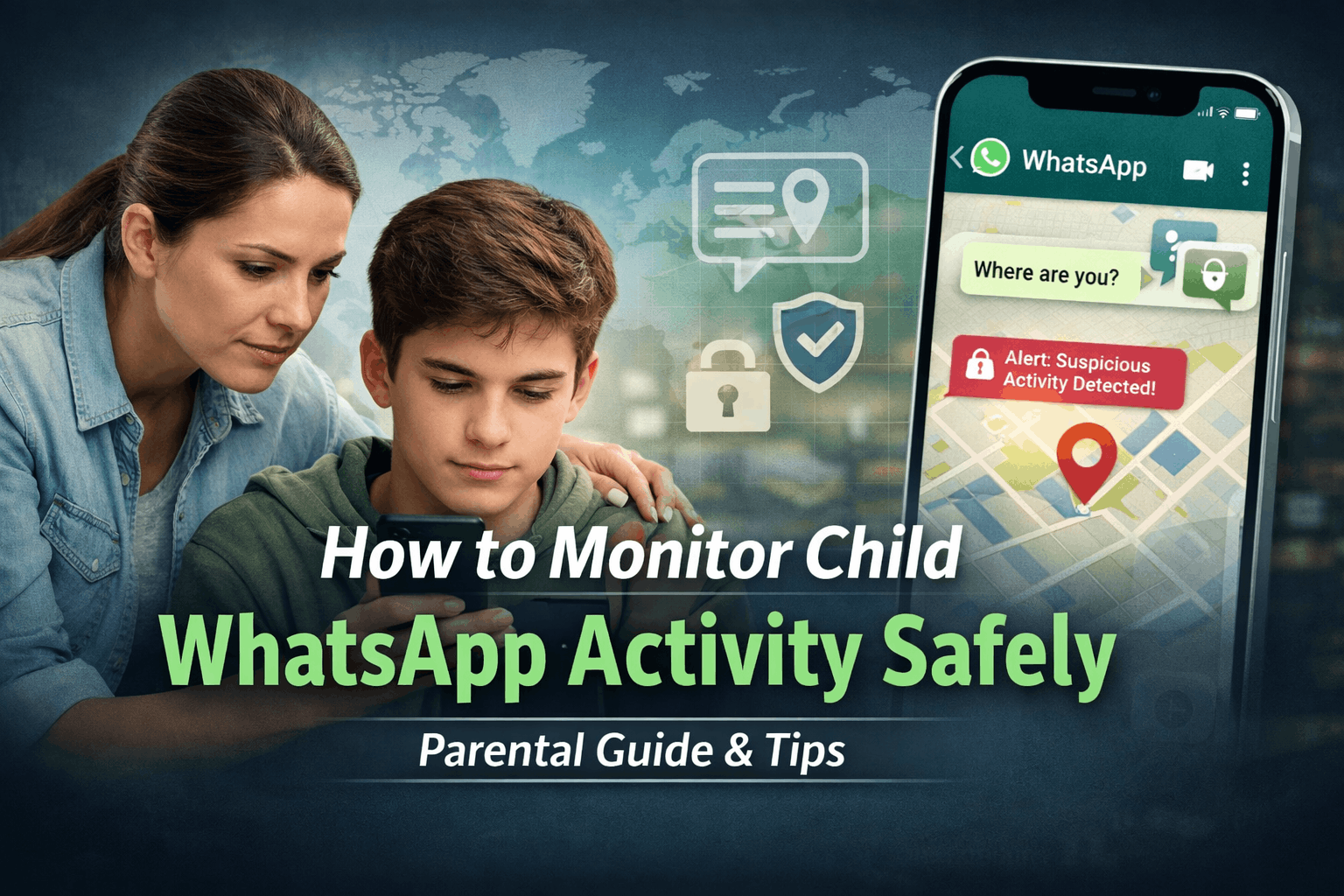
In the modern digital ecosystem, messaging applications have become an integral part of children’s daily communication. Among them, WhatsApp stands out as one of the most widely used platforms for chatting, sharing media, and participating in group conversations. While it offers convenience and connectivity, it also introduces potential risks that many parents are not fully aware of.
For this reason, a growing number of families are choosing to monitor child WhatsApp activity in a structured and responsible way. The purpose is not surveillance or control, but protection, awareness, and guidance. When implemented correctly, monitoring can help children develop safer digital habits while maintaining trust within the family.
Understanding How Children Use WhatsApp
Before implementing any monitoring strategy, it is important to understand how children typically use WhatsApp:
- One-to-one private conversations with friends
- Group chats for school, gaming, or social circles
- Sharing photos, videos, voice notes, and documents
- Joining public or semi-private groups via invite links
These features, while useful, can expose children to:
- Unknown or unverified contacts
- Inappropriate or explicit content
- Misinformation or harmful trends
- Cyberbullying or peer pressure
When parents actively monitor child WhatsApp activity, they gain insights into these patterns and can intervene when necessary.
The Importance of a Balanced Approach
Monitoring should never be purely technical. A balanced approach combines:
- Awareness of digital risks
- Use of appropriate tools
- Open and ongoing communication
Parents who rely only on software often miss the emotional and behavioral aspects of online activity. Conversely, those who rely only on conversation may lack visibility into actual usage. The most effective strategy integrates both.
Ethical and Legal Framework
Responsible monitoring begins with clear ethical boundaries. Parents should:
- Inform children that monitoring is in place
- Explain that the purpose is safety and guidance
- Avoid deceptive or hidden tracking methods
- Ensure compliance with applicable legal standards
Transparency plays a critical role. When children understand why parents want to monitor child WhatsApp activity, they are more likely to cooperate and less likely to resist.
Practical Methods to Monitor Child WhatsApp Activity
1. Using a Parental Control Platform
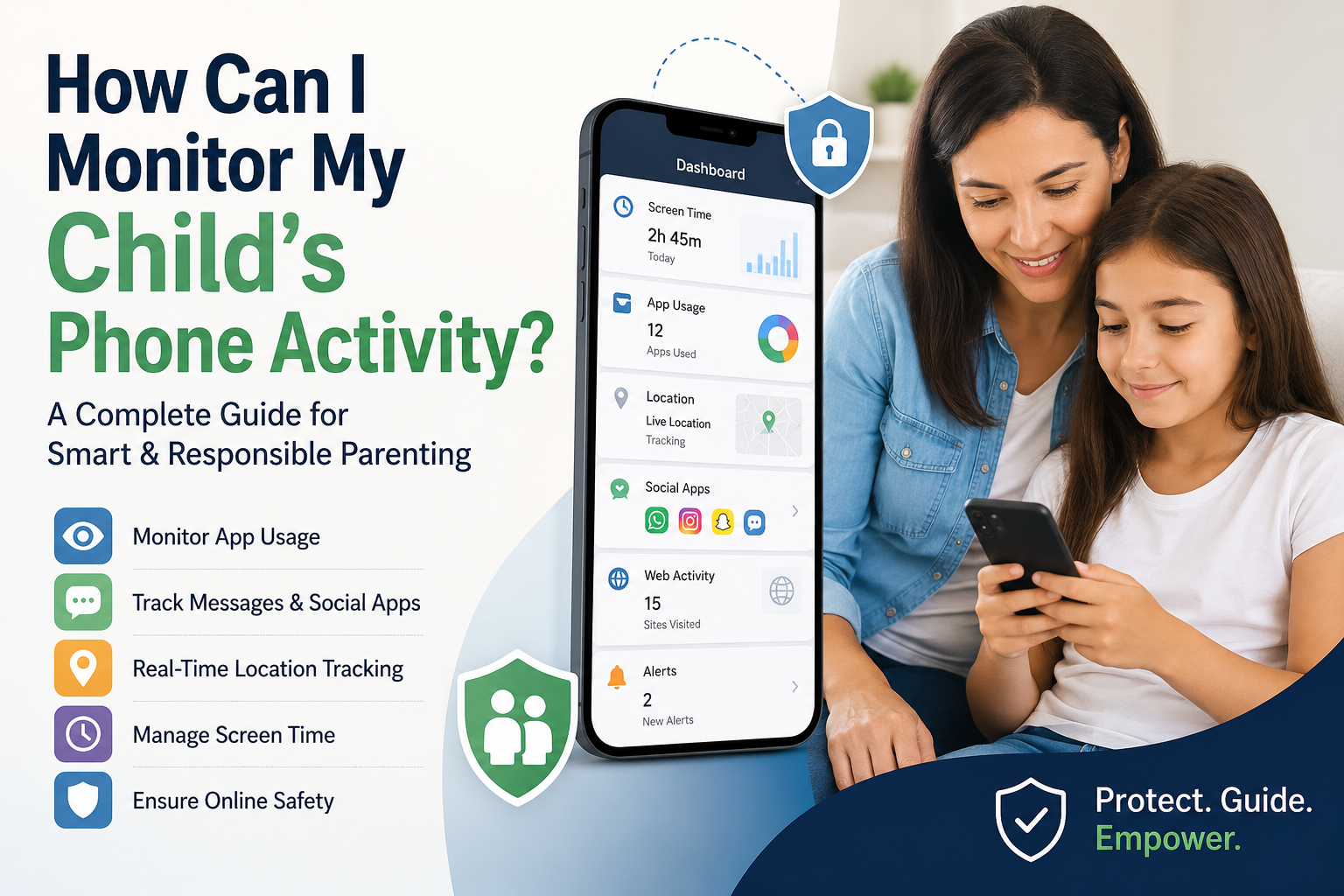
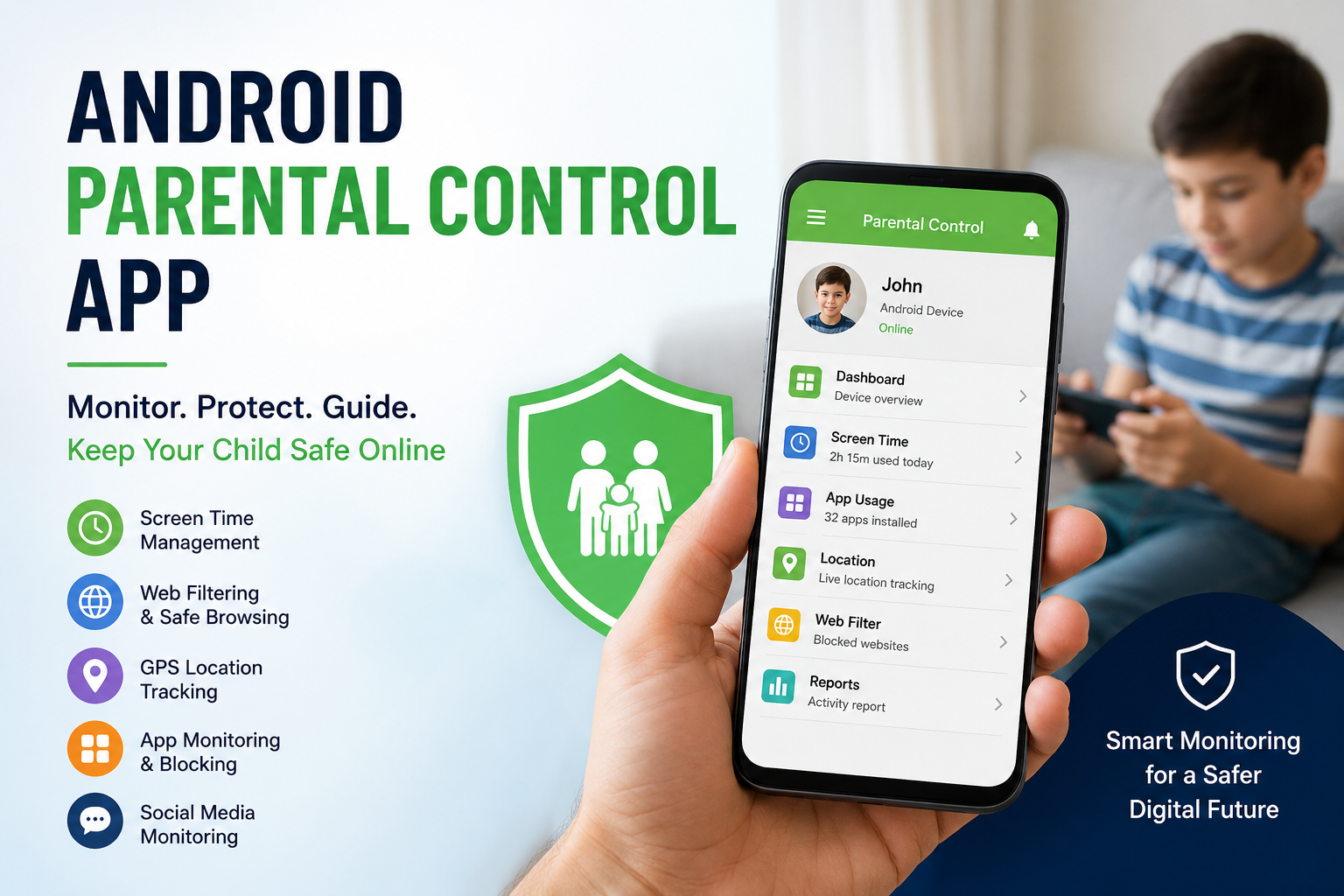
A dedicated parental control solution provides structured tools to monitor child WhatsApp activity without resorting to invasive techniques. Key capabilities may include:
- Activity summaries rather than full message access
- Contact monitoring and alerts
- Usage trends and screen time tracking
- Notifications for unusual behavioral patterns
Such platforms are designed with parental intent in mind, focusing on safety rather than surveillance.
2. Controlled Access Through WhatsApp Web
WhatsApp Web allows synchronization between a mobile device and a browser interface. When used responsibly, it can provide visibility into conversations.
Basic setup:
- Open WhatsApp Web on a browser
- Scan the QR code from the child’s device
- Access synchronized chats
This method should always be implemented with the child’s knowledge. Using it secretly can damage trust and undermine the purpose of monitoring.
3. Leveraging Built-In Device Features
Modern smartphones include digital wellbeing tools that help parents indirectly monitor child WhatsApp activity:
- Daily and weekly app usage reports
- Screen time limits
- Notification summaries
- Focus or downtime modes
Although these tools do not display message content, they provide valuable behavioral insights.
4. Reviewing Privacy and Security Settings Together
Parents should periodically review WhatsApp’s built-in privacy settings with their child:
- Who can see the profile photo and status
- Who can add them to groups
- Blocked contacts list
- Two-step verification
This proactive approach not only improves safety but also teaches children how to manage their own privacy.
5. Establishing Clear Digital Guidelines
Monitoring is most effective when supported by clear rules. Parents can define:
- Acceptable communication behavior
- Restrictions on sharing personal information
- Limits on group participation
- Guidelines for interacting with unknown contacts
These rules create a framework that makes it easier to monitor child WhatsApp activity without constant intervention.
Warning Signs Parents Should Watch For
While monitoring, parents should be attentive to certain behavioral indicators:
- Sudden increase in WhatsApp usage
- Secrecy or reluctance to discuss conversations
- Emotional distress after using the app
- Interaction with unknown numbers
These signs may indicate potential risks and should prompt a calm and supportive discussion.
Common Mistakes to Avoid
Many parents unintentionally take approaches that are counterproductive. Avoid:
- Monitoring without informing the child
- Reacting aggressively to minor issues
- Over-monitoring, which can create anxiety
- Using unauthorized or unethical tools
The objective is to monitor child WhatsApp activity in a way that builds trust rather than fear.
Long-Term Benefits of Responsible Monitoring
When implemented correctly, monitoring provides lasting advantages:
- Improved digital awareness in children
- Stronger communication between parents and children
- Reduced exposure to online threats
- Development of responsible online behavior
Over time, children become more capable of managing their own digital safety, reducing the need for active monitoring.
Frequently Asked Questions
1. Is it appropriate to monitor my child’s WhatsApp activity?
Yes, provided it is done transparently and with the intention of ensuring safety rather than control.
2. What is the safest method to monitor WhatsApp usage?
A combination of parental control tools and open communication is considered the most effective and ethical approach.
3. Can monitoring harm my relationship with my child?
It can, if done secretly or excessively. Transparency and clear communication help maintain trust.
4. At what age should monitoring begin?
Monitoring should be adapted based on the child’s age, maturity level, and online exposure.
5. How can I reduce the need for monitoring over time?
By educating your child about digital safety and encouraging responsible behavior, reliance on monitoring can gradually decrease.