Smartphones have become an essential part of children’s daily lives. From online learning and homework to entertainment and chatting with friends, kids spend many hours on their phones. While technology is helpful, it also exposes children to risks such as screen addiction, cyberbullying, unsafe apps, and contact with strangers.
Because of these concerns, many parents look for safe ways to stay informed without constantly checking their child’s phone. This is where child parental software becomes useful, allowing parents to monitor phone activity remotely and responsibly.
Why Parents Want Remote Phone Monitoring
Parents do not want to spy on their children. Their main goal is safety and guidance. Remote monitoring helps parents understand digital habits without creating daily arguments or breaking trust.
Common reasons parents prefer remote monitoring include:
The child does not live at home all the time
Parents cannot access the phone daily
Children value privacy and independence
Parents want alerts instead of manual checking
Using child parental software helps parents stay connected while respecting boundaries.
What Does “Without Touching the Device” Mean?
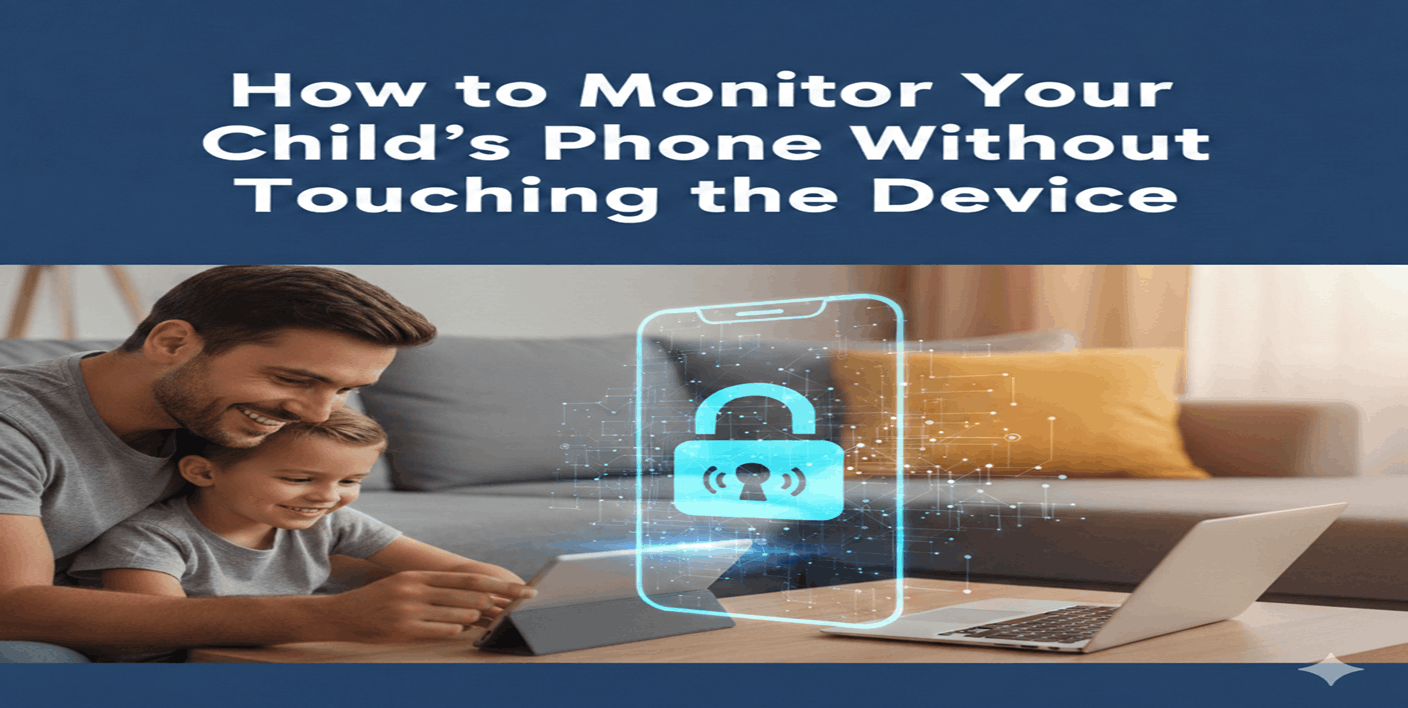
Monitoring without touching the device means parents can view important phone activity through a secure online dashboard. After a one-time setup, there is no need to physically access the child’s phone again.
This method works through cloud technology, where data syncs automatically. Parents can log in anytime from their own phone or laptop and stay updated.
How Remote Monitoring Works Safely
Modern monitoring tools are designed for parents, not for spying. A trusted solution like SpymasterPro focuses on safety, transparency, and ease of use.
Once installed with permission:
Activity data updates automatically
Parents receive alerts for risky behavior
No daily phone handling is required
This makes child parental software practical for busy parents.
What Parents Can Monitor Remotely
1. Screen Time and App Usage
Parents can see how much time is spent on different apps and identify overuse. This helps in setting healthy screen-time limits.
2. Call and Message Activity Overview
Parents do not need to read messages. Monitoring shows call logs and activity patterns, helping identify unknown or suspicious contacts.
3. Location Tracking for Safety
Location monitoring helps parents ensure their child reaches school, tuition, or home safely. It is especially helpful for younger children or those who travel alone.
4. App Installation Alerts
Parents get notified when new apps are installed. This allows early discussion if an unsafe or age-inappropriate app appears.
All these features work together to make child parental software effective without being intrusive.
Is This Type of Monitoring Legal?
Yes, parental monitoring is legal in most regions when:
The child is under 18
The phone belongs to the parent
Monitoring is done for safety and care
Parents should always inform their child and avoid monitoring adults without consent.
Benefits of Remote Monitoring for Parents
Using child parental software offers several benefits:
Protects children from online risks
Reduces screen addiction
Builds trust through open communication
Saves time for parents
Encourages responsible digital habits
The focus remains on guidance, not punishment.
Best Practices for Parents
To use monitoring tools responsibly:
Always talk openly with your child
Explain the purpose is safety
Avoid excessive control
Reduce monitoring as trust grows
When used correctly, child parental software supports healthy digital parenting.
Frequently Asked Questions (FAQ)
What is child parental software?
It is a tool that helps parents monitor and manage their child’s phone activity remotely for safety and guidance.
Can parents monitor a phone without touching it daily?
Yes. After one-time setup, activity can be viewed remotely through a secure dashboard.
Is remote monitoring safe for children?
Yes, when used ethically and transparently for parental care.
Can location be tracked remotely?
Yes, most tools provide real-time location and location history for safety.
Should children know about monitoring?
Yes. Informing children builds trust and avoids emotional stress.