The internet has transformed how children learn, communicate, and entertain themselves. Smartphones provide access to educational resources, social connections, and creative opportunities. However, they also expose children to risks such as cyberbullying, online predators, inappropriate content, and excessive screen time.
As a parent, you may wonder: How can I monitor my child’s phone activity without invading their privacy?
The answer lies in combining technology, communication, and digital education. Effective monitoring is not about spying on children—it’s about helping them develop safe and responsible online habits while protecting them from potential threats.
Why Is It Important to Monitor Your Child’s Phone Activity?
Children often lack the experience needed to identify online risks. They may unknowingly share personal information, interact with strangers, or spend excessive time on social media and gaming platforms.
Monitoring phone activity can help parents:
- Understand their child’s digital habits
- Protect them from online threats
- Identify signs of cyberbullying
- Prevent exposure to harmful content
- Manage screen time effectively
- Encourage healthy technology use
- Promote online safety awareness
By staying involved, parents can create a safer digital environment while maintaining trust and open communication.
Common Online Risks Children Face Today
Before discussing monitoring methods, it’s important to understand the challenges children encounter online.
Cyberbullying
Cyberbullying occurs when someone uses digital platforms to harass, threaten, or embarrass another person. Unlike traditional bullying, cyberbullying can happen at any time and may significantly affect a child’s emotional well-being.
Warning signs include:
- Sudden mood changes
- Reluctance to use devices
- Anxiety after receiving messages
- Social withdrawal
Online Predators
Online predators often use social media, gaming platforms, and messaging apps to contact children. They may pretend to be someone the child trusts before attempting to gain personal information.
Inappropriate Content
Children can accidentally encounter content related to violence, explicit material, gambling, or harmful online challenges.
Screen Addiction
Excessive screen time may contribute to:
- Sleep disturbances
- Reduced physical activity
- Lower academic performance
- Difficulty concentrating
- Mental fatigue
Privacy and Security Threats
Many children do not fully understand the consequences of sharing personal information online. This can increase the risk of identity theft, scams, and privacy violations.
How Can Parents Monitor Phone Activity Effectively?
There is no single solution that works for every family. Instead, experts recommend using multiple strategies to stay informed while respecting a child’s growing independence.
1. Maintain Open Communication
The most effective monitoring tool is honest communication.
Talk regularly with your child about:
- Online safety
- Social media behavior
- Digital etiquette
- Stranger danger online
- Responsible screen usage
When children feel comfortable discussing their online experiences, they are more likely to report problems before they become serious.
2. Use Built-In Device Features
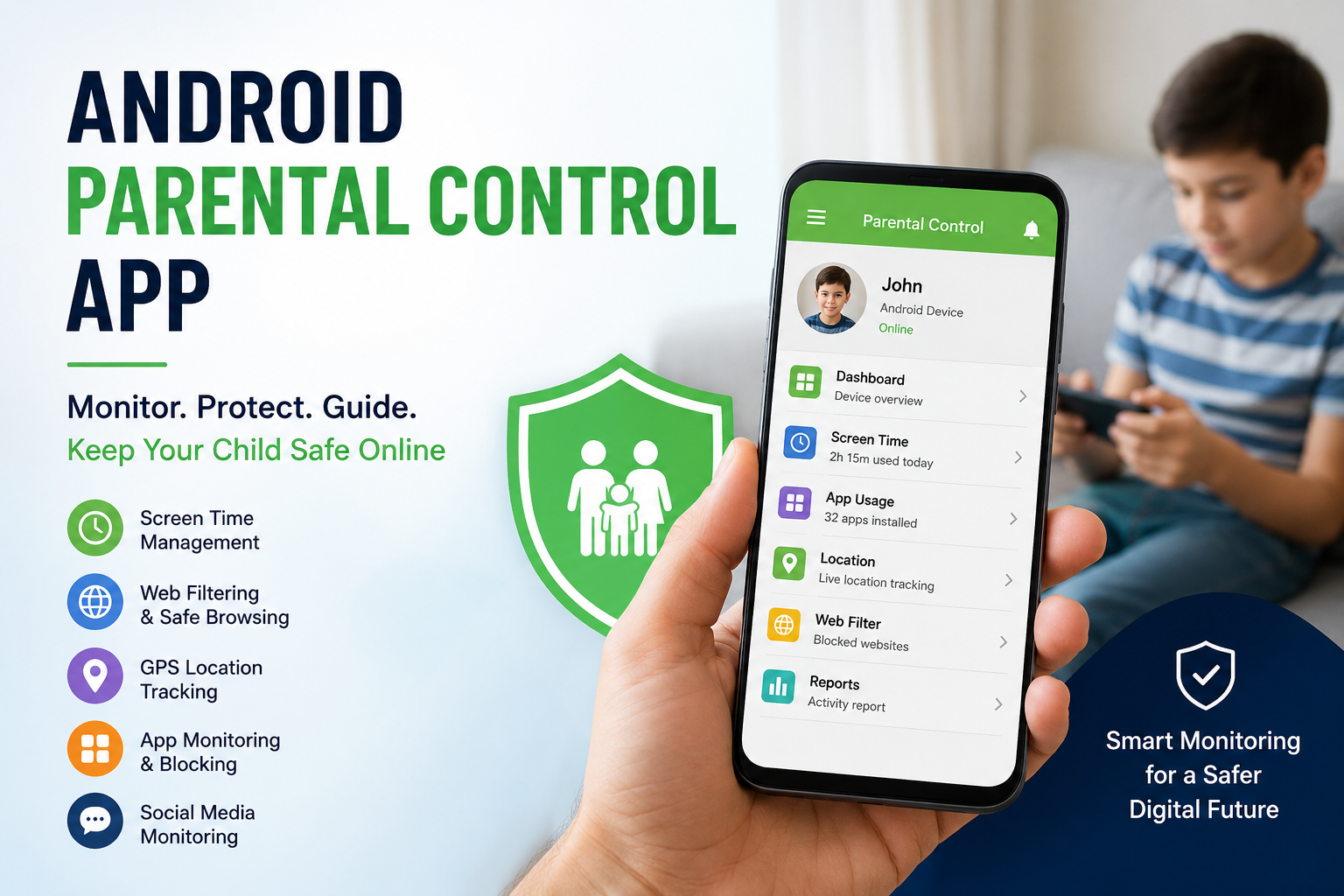
Most smartphones include parental supervision tools.
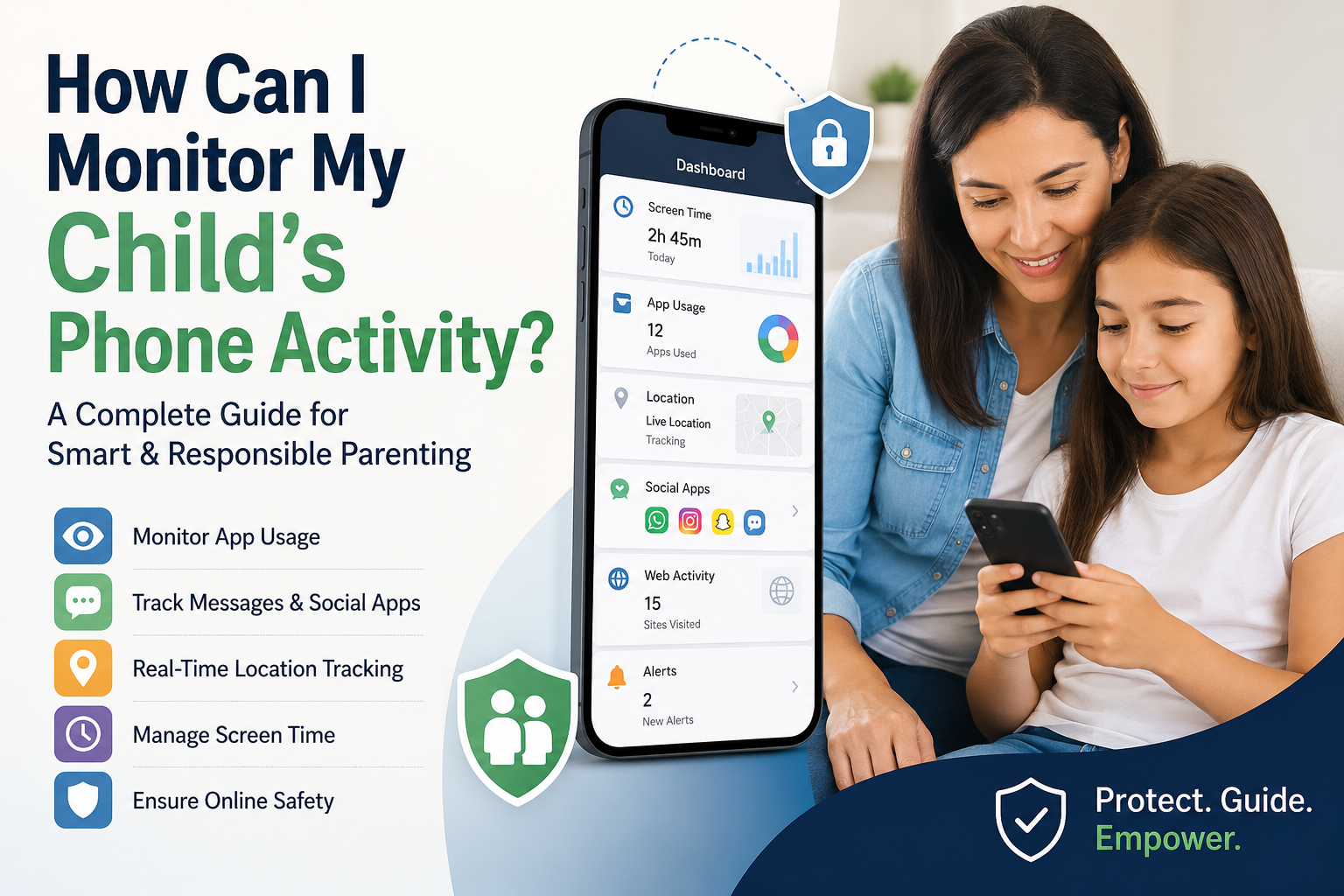
Android and iPhone devices offer features such as:
- Screen time reports
- App usage tracking
- Content restrictions
- Website filtering
- Location sharing options
These tools allow parents to understand how devices are being used without constant supervision.
3. Review App Activity
Apps play a major role in children’s digital lives.
Parents should understand:
- Which apps are installed
- How much time is spent on each app
- Whether apps are age appropriate
- What privacy settings are enabled
Popular social media and messaging applications often require additional attention due to the potential for interactions with strangers.
4. Monitor Social Media Usage
Social media platforms can be valuable communication tools, but they also introduce risks.
Parents should periodically discuss:
- Friend requests from unknown individuals
- Public versus private profiles
- Content sharing habits
- Online reputation management
Teaching children how to use social media responsibly is often more effective than simply restricting access.
5. Manage Screen Time
Research continues to show that excessive screen use can impact sleep quality, attention span, and overall well-being.
Consider establishing:
- Device-free meal times
- Technology-free bedrooms
- Daily screen limits
- Family digital wellness rules
A balanced approach encourages healthier habits without making children feel overly controlled.
6. Enable Location Sharing When Appropriate
Location services can provide additional peace of mind, especially for younger children.
Benefits include:
- Knowing when children arrive safely at school
- Tracking travel routes
- Responding quickly during emergencies
- Coordinating family schedules
Location monitoring should always be discussed openly to maintain trust.
How to Balance Safety and Privacy
One of the biggest concerns parents face is finding the right balance between supervision and privacy.
Children, especially teenagers, need opportunities to develop independence and decision-making skills.
Experts recommend:
- Explaining why monitoring is necessary
- Setting clear family technology rules
- Respecting age-appropriate privacy
- Reviewing online safety expectations together
- Adjusting monitoring practices as children mature
Transparency often leads to stronger parent-child relationships and healthier digital behavior.
Signs Your Child May Be Experiencing Online Problems
Parents should remain alert to changes in behavior that may indicate online issues.
Potential warning signs include:
- Increased secrecy about devices
- Sudden emotional distress
- Avoiding school or social situations
- Sleep disruptions
- Loss of interest in hobbies
- Declining academic performance
- Frequent communication with unknown contacts
These signs do not automatically indicate danger, but they may warrant further conversation and support.
Teaching Digital Responsibility
Monitoring is only one part of online safety. Education is equally important.
Children should learn:
- How to identify scams
- Why strong passwords matter
- The importance of privacy settings
- How to report inappropriate behavior
- The long-term impact of online actions
Developing digital literacy helps children make safer decisions even when parents are not present.
Frequently Asked Questions
Can parents legally monitor their child’s phone activity?
In many regions, parents are allowed to supervise devices used by their minor children. However, regulations vary, so it’s important to understand local laws.
What is the safest way to monitor a child’s phone?
A combination of parental guidance, open communication, screen time management, and device supervision is generally considered the safest and most effective approach.
Should children know they are being monitored?
Yes. Transparency helps build trust and encourages responsible digital behavior.
At what age should parents stop monitoring phone activity?
There is no universal age. Monitoring should gradually evolve as children demonstrate maturity, responsibility, and safe online habits.
Conclusion
If you’re asking, “How can I monitor my child’s phone activity?”, the most effective approach is a balanced one. Technology can help parents stay informed, but education, communication, and trust remain the foundation of digital safety.
By understanding online risks, setting clear expectations, and maintaining open conversations, parents can guide their children toward responsible technology use while helping them stay safe in an increasingly connected world.